SFA Member Alert: SFVegas 2026 Recap

Published on March 5, 2026


SFVegas 2026: Key Takeaways and Themes 

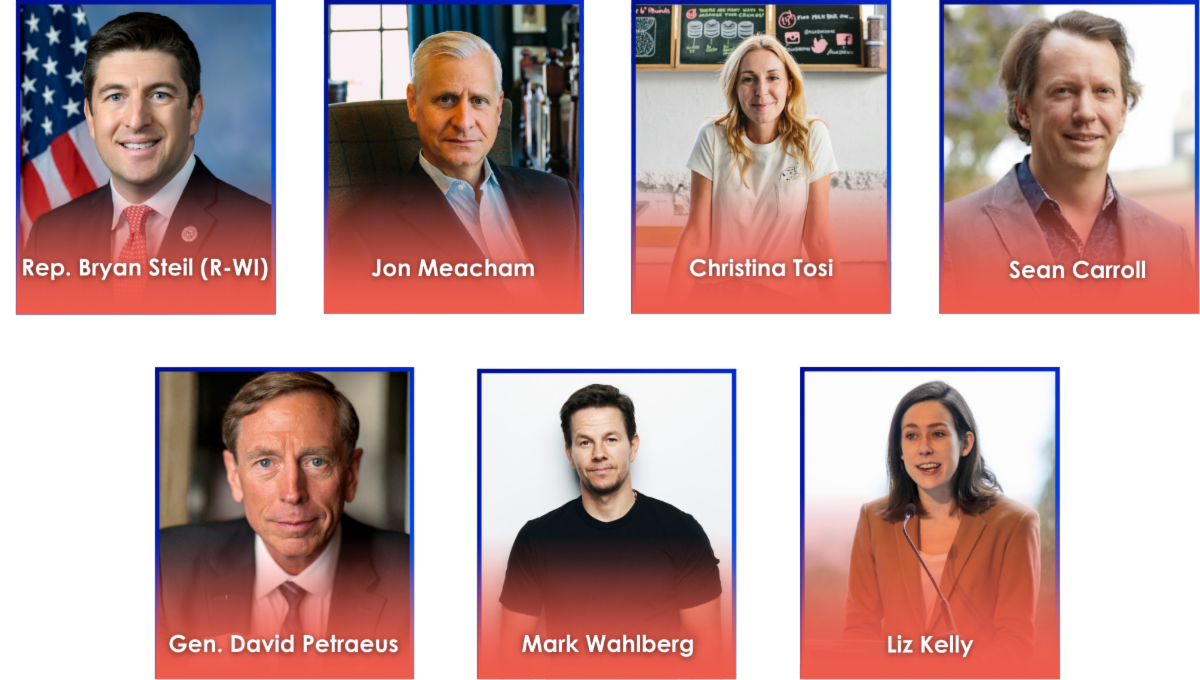
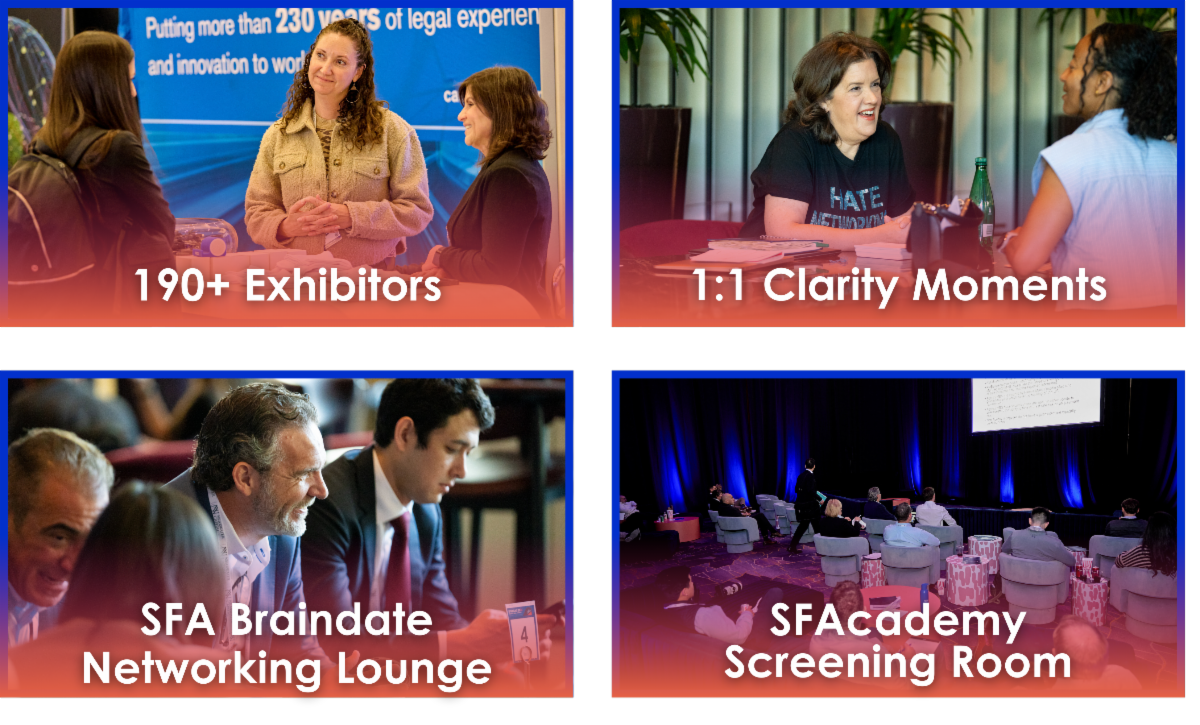
SFVegas 2026 delivered another standout year of insights, industry engagement, and record attendance. This year’s event attracted nearly 11,000 registrants, setting a new SFVegas record and reflecting both the depth of industry involvement and the event’s continued growth as the premier forum for structured finance. The conference agenda covered a wide range of immersive formats including the SFAcademy Screening Room, the Exchange Live Podcast Stage, high‑energy Launch Pad sessions, and Main Stage conversations on GSE reform and consumer credit. Featured speakers such as Christina Tosi, General David Petraeus, Elizabeth Kelly, Jon Meacham, Mark Wahlberg, and Sean Carroll added energy and perspective across an array of disciplines. 

Policy‑focused conversations illuminated the heightened complexity of the current environment and the influence of political and regulatory uncertainty on market behavior. Macro panels ranging from the state of the economy to escalating geopolitical tensions in the Middle East and Caribbean drew some of the largest audiences, reflecting how deeply global events now shape market sentiment. Government relations sessions highlighted a politically charged run‑up to the midterm elections, the challenges of governing with one of the narrowest House majorities in recent history, and the real potential for bipartisan housing legislation including proposals to restrict institutional ownership of single‑family homes. Speakers viewed sweeping changes to the GSEs as unlikely but still a policy priority for the administration. Regulatory discussions signaled broad enthusiasm for progress on Regulation AB II and Basel III, with regulators signaling a willingness to collaborate with industry to develop a safe and sound risk framework. AI surfaced as one of the most discussed topics, though expectations for near‑term legislative action remain low amid a lack of national consensus on regulatory direction. 

Policy‑focused conversations illuminated the heightened complexity of the current environment and the influence of political and regulatory uncertainty on market behavior. Macro panels ranging from the state of the economy to escalating geopolitical tensions in the Middle East and Caribbean drew some of the largest audiences, reflecting how deeply global events now shape market sentiment. Government relations sessions highlighted a politically charged run‑up to the midterm elections, the challenges of governing with one of the narrowest House majorities in recent history, and the real potential for bipartisan housing legislation including proposals to restrict institutional ownership of single‑family homes. Speakers viewed sweeping changes to the GSEs as unlikely but still a policy priority for the administration. Regulatory discussions signaled broad enthusiasm for progress on Regulation AB II and Basel III, with regulators signaling a willingness to collaborate with industry to develop a safe and sound risk framework. AI surfaced as one of the most discussed topics, though expectations for near‑term legislative action remain low amid a lack of national consensus on regulatory direction. 

Dozens of journalists from major national and trade outlets covered the event, spotlighting trends shaping the 2026 market, from rising mortgage delinquencies and broader credit conditions to investor sentiment, interest‑rate expectations, and regulatory priorities. Coverage also emphasized the industry’s sharpened focus on fraud prevention, operational resilience, and deal innovation. Even reporting on the unforeseen exhibit hall disruption showcased the resilience and swift response of SFA and venue partners.

SFA’s Bright Ideas podcast broadened its reach through live sessions on affordability, expected congressional activity, and strategic communications, extending engagement beyond the event itself. 

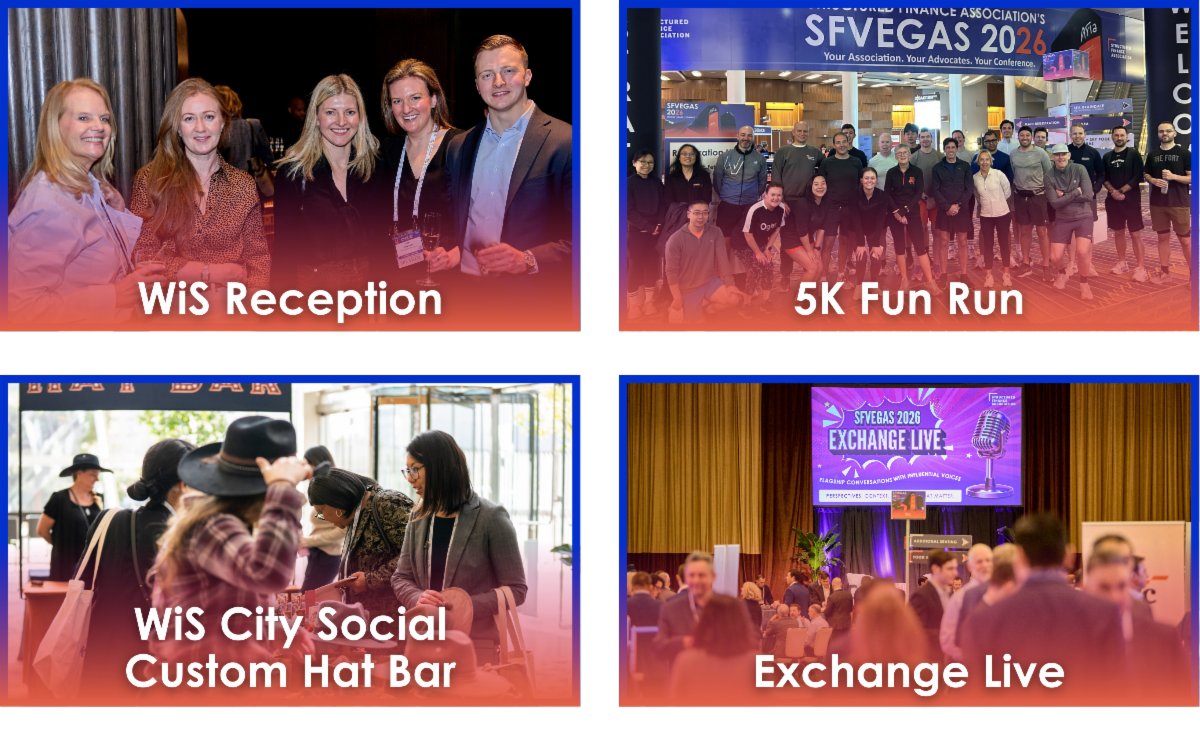
Women in Securitization (WiS) delivered standout programming, from an interactive Milk Bar baking demo to high‑impact speed networking and clarity sessions with Joanna Bloor, a creative city social featuring a custom hat bar, and a volunteer initiative supporting Junior Achievement students.

Across research‑focused discussions, attendees expressed cautious optimism balanced by meaningful uncertainties. While consumer and corporate credit trends remained positive, geopolitical unpredictability and the accelerating impact of AI continued to shape conversations about the road ahead. Yet many participants also pointed to substantial opportunities: strong engagement throughout the conference, innovative deal activity, new sources of capital, and rapid technological advancement all signaled an industry that is not simply adapting to change but actively shaping it. As SFVegas 2026 made clear, even amid complexity, the structured finance community remains resilient, energized, and exceptionally well‑positioned to navigate what comes next.